









Shannon Ridge Mountain Estate Vineyards Are Now 100% Certified Organic!
Learn MoreFollowing the crowd means getting lost in it. We blaze our own trail, bucking convention in favor of finding a better way.
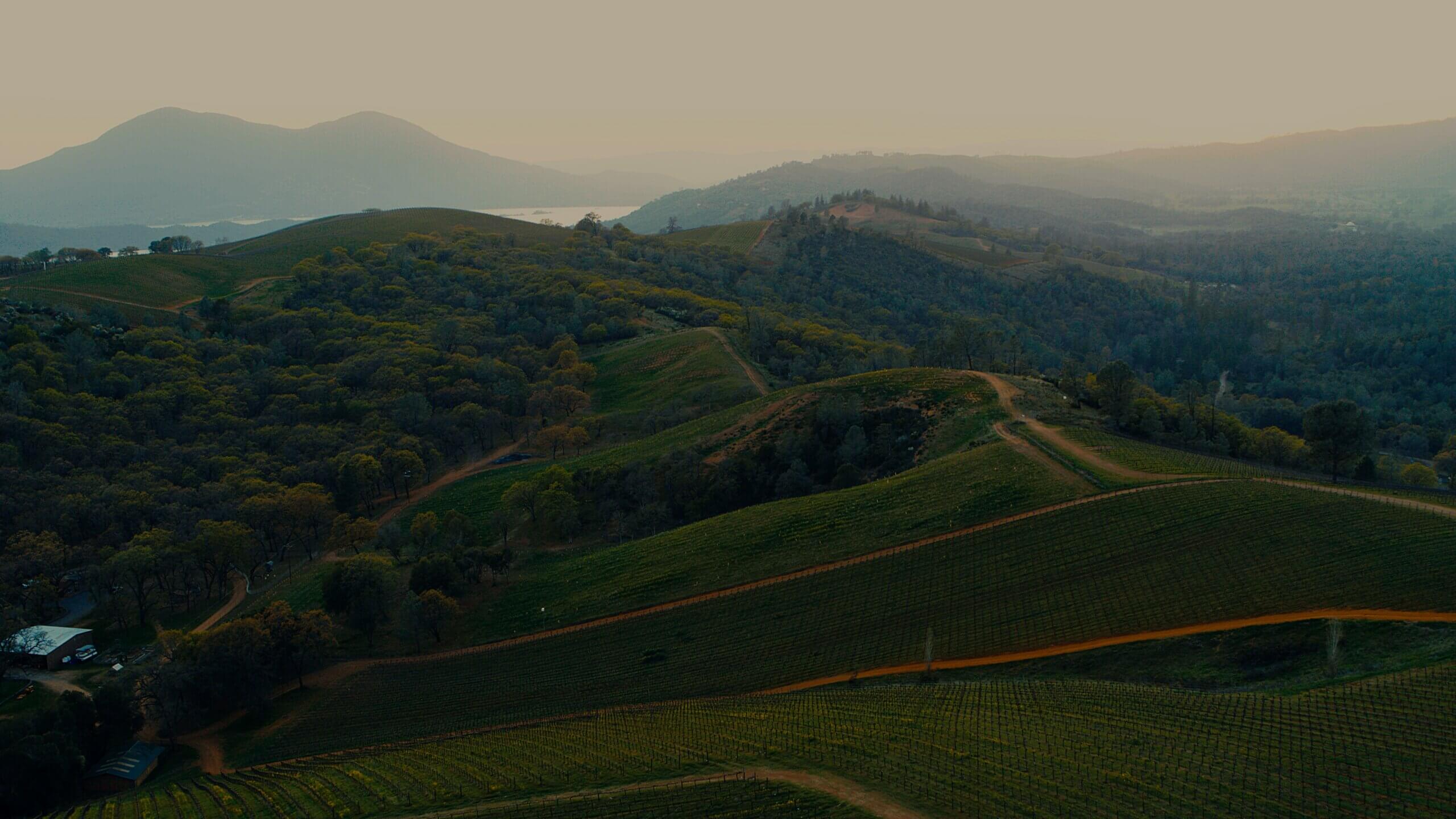
Our Lake County mountain vineyard estate is situated at an altitude of 2,200 feet above sea level in the mountains of the North Coast of California. This rugged terrain is characterized by ancient volcanic soils, steep elevation and more recently warmer summers and cooler winters. This demanding environment creates the perfect conditions to produce wines with exceptional character.

Combining great wines, respect for the environment, and world-class terroir.
Pioneering spirit with an earth-first mindset
Discover Our Story
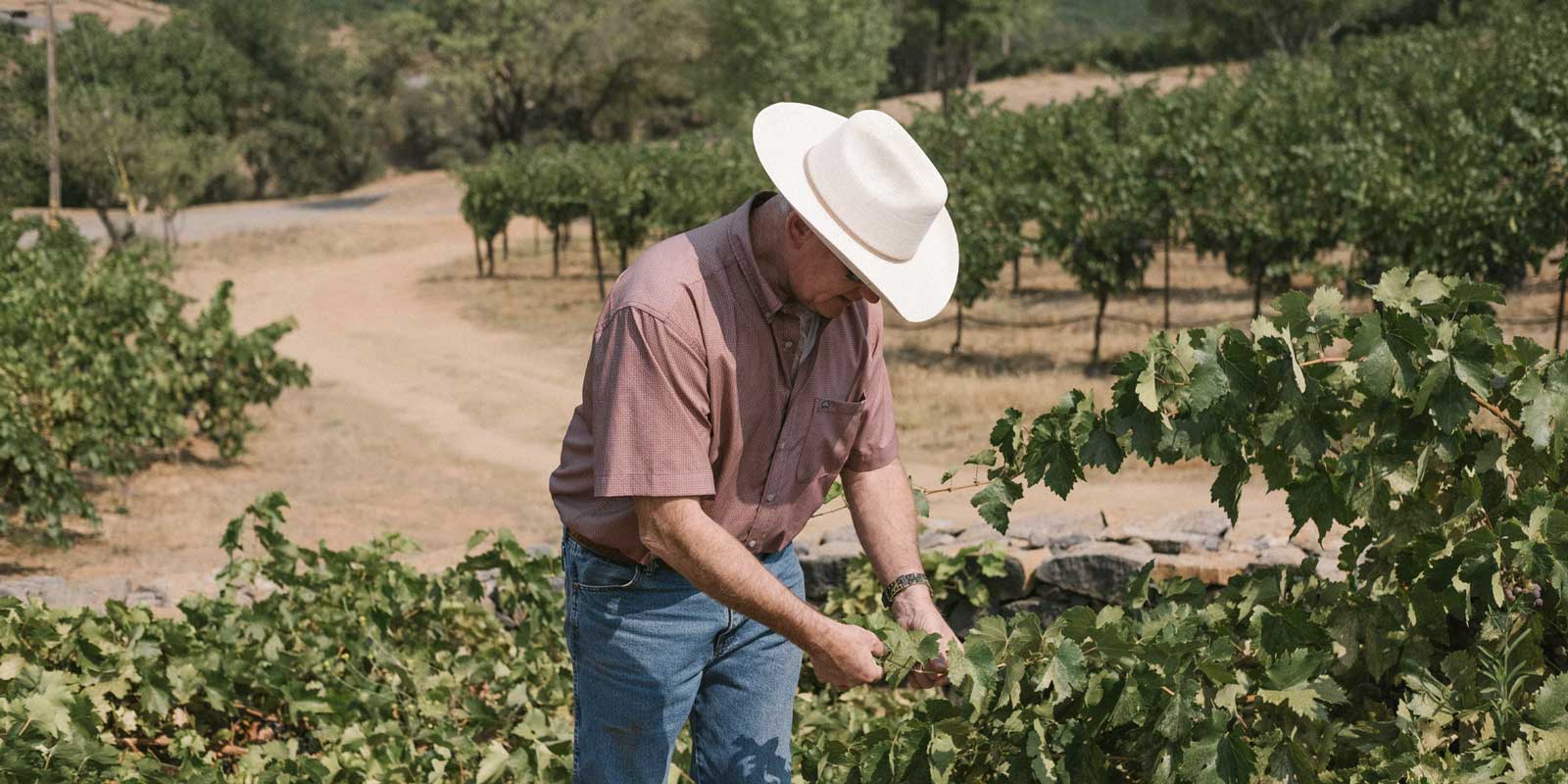
We grow incredible mountain fruit at a great value for our customers and we’re passionate about preserving the land.

Project
OVIS
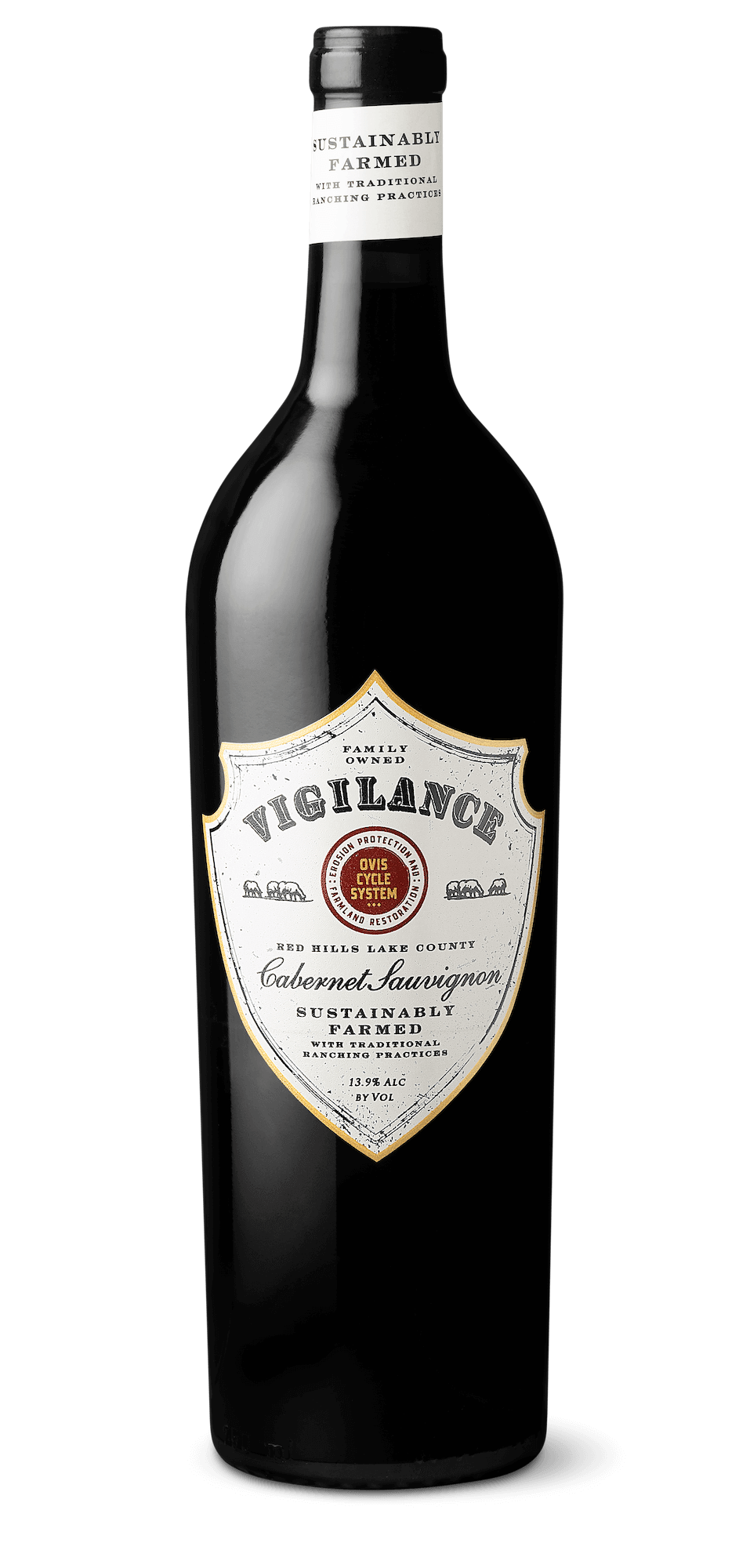
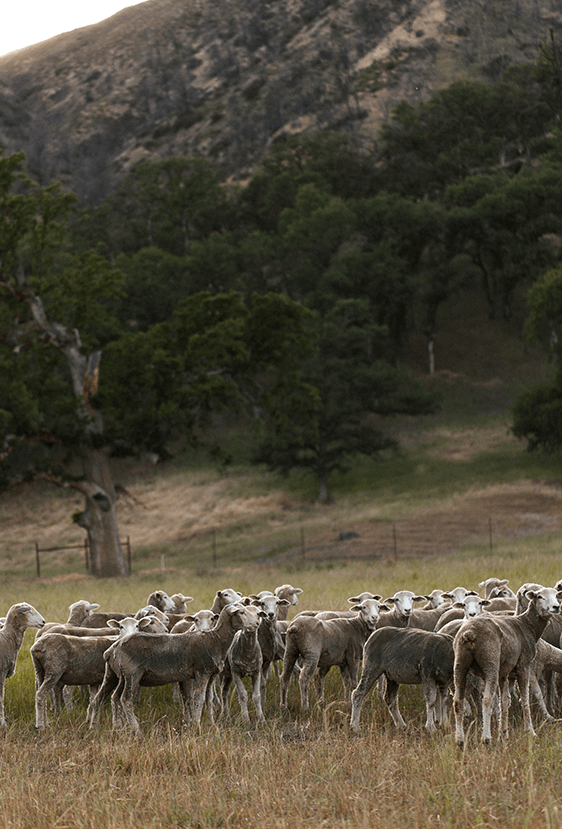
Project Ovis is the transformation of our 1,000-acre Lake County California mountain vineyard estate into a completely sustainable, regenerative organic farming system. It is our reimagining of viticulture and winemaking to address the effects of climate change. Our efforts are both holistic and dynamic, combining carbon sequestering practices with permaculture initiatives and energy efficiency applications. We are pioneering change and setting industry standards in an ongoing effort to improve the way we treat the planet and its swiftly dwindling resources.